China remains a key pillar of Aramco’s long-term global strategy: An Interview with Aramco Asia President Saleh Y. Al Zaid
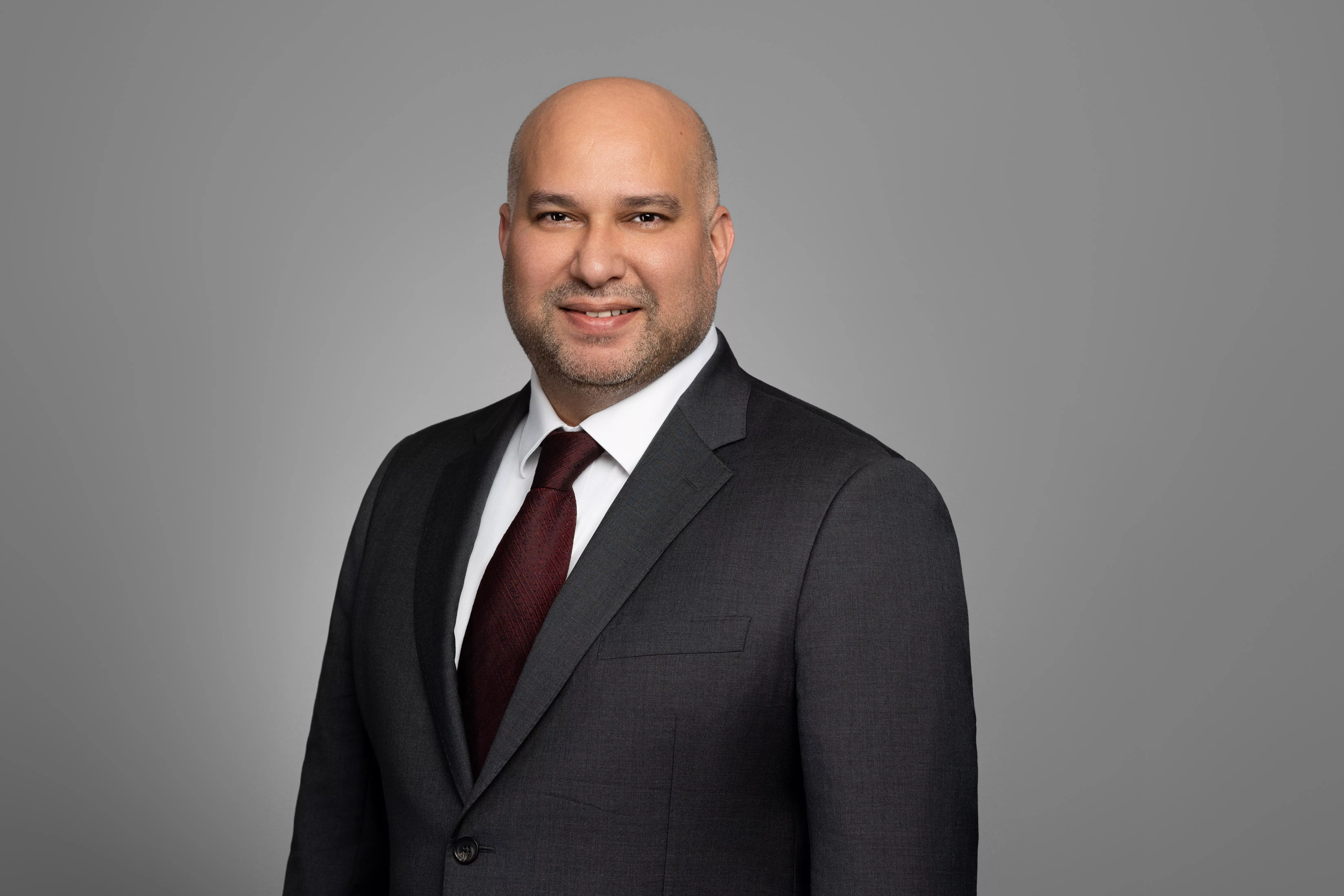
Aramco Asia President Saleh Y. Al Zaid
Source: Economic Daily
Reporter: Yuan Yong
“Amid profound changes in the global energy landscape and increasing external uncertainties, Aramco continues to view China’s investment climate and market potential with strong confidence, and China remains a key pillar of our long-term global strategy,” Aramco Asia President Saleh Y. Al Zaid noted in an exclusive interview with Economic Daily.
In recent years, Aramco has deepened its investment presence in China. The company is currently involved in projects across the country with a combined value exceeding 240 billion yuan, of which Aramco’s share amounts to more than 90 billion yuan. To date, with our affiliates Aramco has established nine joint ventures across China.
As Al Zaid noted, China’s role in Aramco’s global strategy can be defined by three key dimensions: a core demand center for energy and chemicals, a strategic investment hub for integrated downstream growth, and a long-term partner in innovation and industrial development.
“China’s economy demonstrates long-term resilience, a complete industrial system, and a stable policy environment. China also provides a solid foundation for sustained growth and long-term cooperation. Cooperation is expanding into future industries and advanced technologies. The partnership is increasingly two-way, deepening across the full value chain from upstream feedstock supply through to downstream chemicals and advanced materials,” Al Zaid added.
Aramco places great importance on deepening industrial cooperation with Chinese companies. In 2024, it signed a five-year cooperation framework agreement with China National Building Material Group (CNBM) to explore new opportunities in advanced materials and industrial development, including potential joint manufacturing of wind turbine blades, hydrogen storage tanks, lower carbon materials. This builds on the Nonmetallic Excellence and Innovation Center (NEXCEL) in Beijing, jointly established earlier with China Building Materials Academy (CBMA), CNBM’s research arm, to accelerate innovation in nonmetallic and lower carbon materials for building and construction industries.
China also plays a role in Aramco’s global innovation and research network. The Beijing Research Center serves as an important platform for scientific collaboration and technology development, working closely with leading Chinese institutions and universities across areas such as geology, geophysics, advanced oilfield chemicals, upstream, refining and chemicals, and transport.
In 2007, Aramco established two joint ventures with local partners in China’s Fujian: Fujian Refining and Petrochemical Company Ltd. (FREP) and Sinopec Senmei (Fujian) Petroleum Company (SSPC). Following the 20 years of development, they have developed into the role models for our joint ventures with Chinese and international partners.
Al Zaid noted their success could be attributed to several key factors. First and foremost is a strong foundation of strategic alignment and mutual trust. These projects were established based on long-term energy cooperation, with partners sharing a common vision of ensuring stable supply, promoting industrial upgrading, and achieving win-win development.
Second, both joint ventures have leveraged complementary strengths: Aramco’s resource integration, technology, and global operational experience, combined with Chinese partners’ deep understanding of the local market, strong execution capabilities, and complete industrial ecosystems. This has enabled the ventures to maintain high operational efficiency, strong profitability, resilience, and smooth transition through different market cycles.
Equally important is the commitment to localization and long-term development.
These experiences offer valuable lessons for future energy cooperation: adhering to long-term growth rather than short-term returns, aligning corporate strategies with national development priorities, and deepening cooperation across the entire value chain.
Looking ahead, Al Zaid sees significant potential to deepen cooperation with China in areas including carbon capture, utilization and storage; blue hydrogen and blue ammonia to support the emissions mitigation efforts of hard‑to‑abate sectors; and advanced materials and chemicals innovation that help improve energy efficiency.
Through these areas of collaboration, we aim to work with Chinese partners to support practical, realistic solutions for the energy transition that balance reliability, security, and economic growth, contributing to a more resilient global energy system.
“Through these areas of collaboration, we aim to work with Chinese partners to support practical, realistic solutions for the energy transition that balance reliability, security, and economic growth, contributing to a more resilient global energy system, ” Al Zaid noted.
Latest news

News
Aramco highlights deepening cooperation in Liaoning at 7th China Liaoning International Fair for Investment and Trade
News
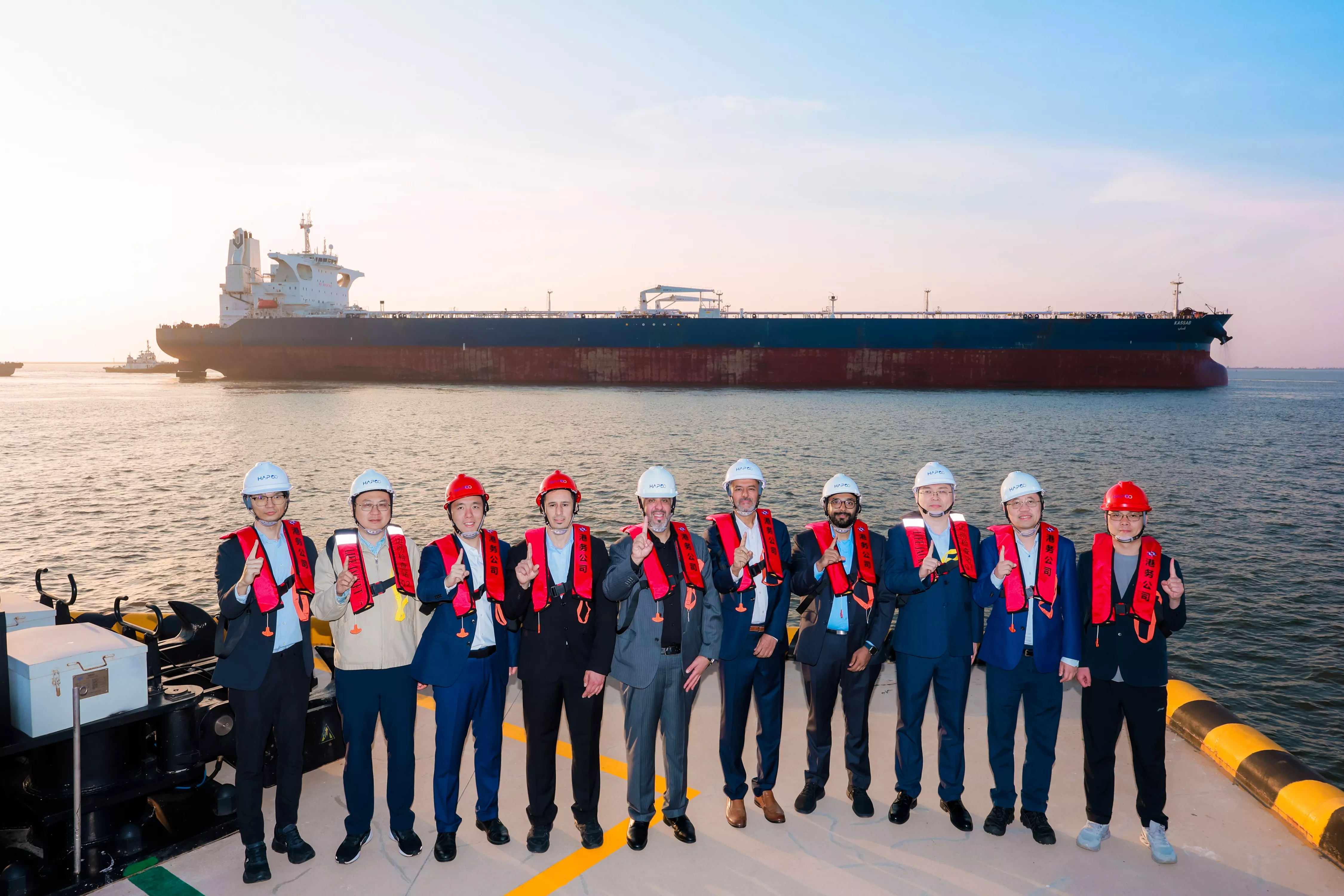
North Huajin, Panjin Xincheng, and Aramco announce first Arabian crude oil shipment to HAPCO
News
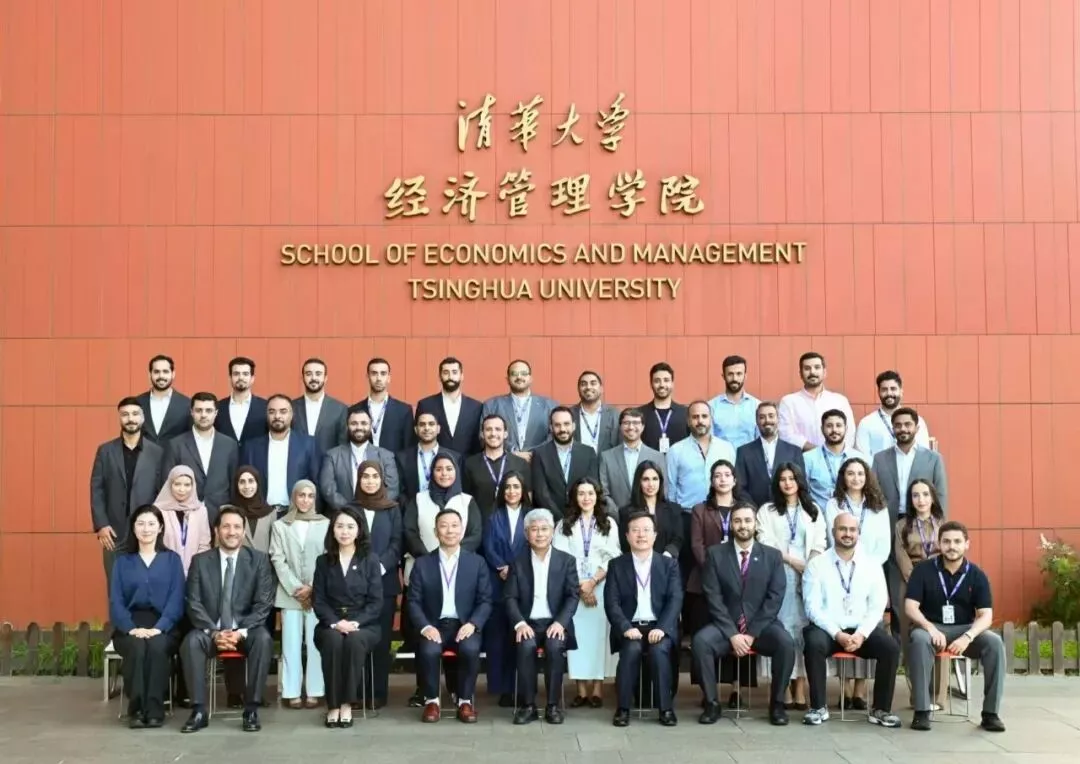
Initiating Global Innovation, Co-building an Industrial Future | Tsinghua Global Industrial Innovation Master's Program officially sets sail
News
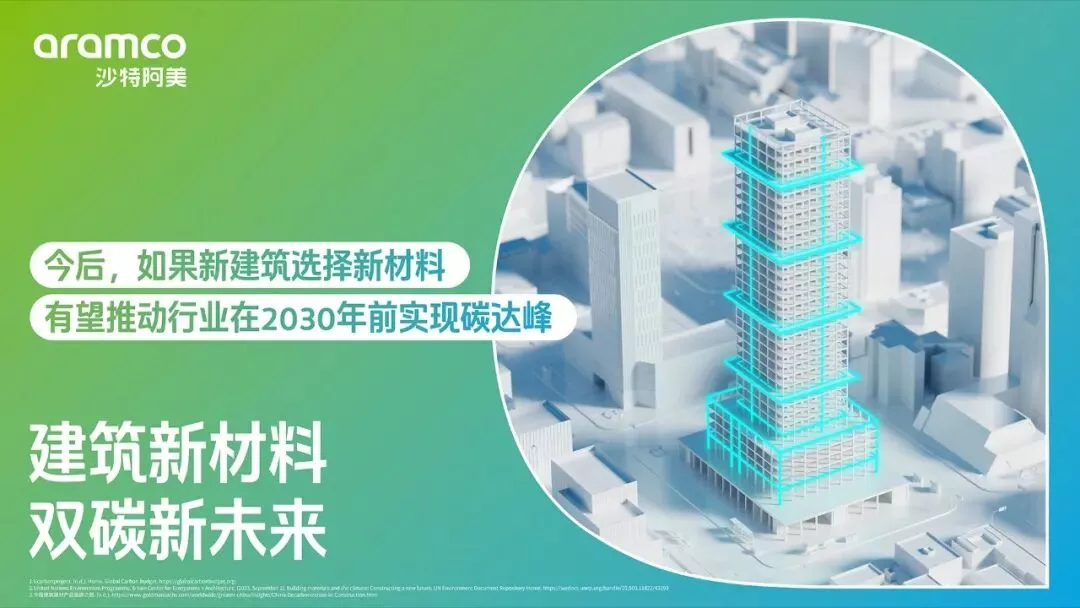
Tongji University and Aramco jointly release Whitepaper on Advanced Building Materials for China's Dual-Carbon Goals